

Sometimes. Policies cover sudden escapes of water, and most exclude gradual damage, so a slow leak that ran unnoticed for months sits in disputed territory. What usually decides it is whether you could reasonably have known. Acting fast once signs appear, and documenting the discovery, keeps a slow leak claimable.
Slow Water Leaks and Insurance: What’s Covered and What’s Not
Slow water leak insurance questions produce the least satisfying answer in the trade: it depends. A burst pipe that floods the kitchen on a Tuesday is a textbook claim. A pinhole leak that spent a year quietly rotting a joist behind the bath is the same water doing the same damage, yet it can be refused on wording most people have never read.
We are not insurers, and this is general guidance rather than advice on your policy. But we spend our working lives finding exactly these leaks, often with a claim hanging on the result, so we know where the arguments start and what evidence settles them. Here is the honest picture.
What’s in this guide
The gradual damage exclusion, in plain English
Home insurance covers escape of water as a sudden event: something failed, water got out, damage followed. Alongside that cover, most policies carry an exclusion for damage that happens gradually, over a period of time, or from causes like wear, tear, rot and lack of maintenance.
The logic from the insurer’s side is that insurance exists for the unforeseen. A pipe that has been weeping into a wall for a year, while stains spread and skirtings swelled, starts to look less like bad luck and more like a maintenance problem nobody dealt with. The exclusion is how policies draw that line. Our guide to what home insurance covers on water leaks sets out the wider picture.
Why slow leaks fall foul of it
The frustrating part is that slow leaks are, almost by definition, the ones you could not see. Nobody ignores a burst pipe. A weeping compression joint under the floor announces itself only through side effects, and slowly.
Three things push a slow leak towards refusal:
- Time itselfThe longer a leak ran, the easier it is to describe the loss as gradual rather than sudden. Damage assessors can read the story in the staining, corrosion and rot.
- Visible warnings that went unactionedA damp patch that appeared six months before anyone investigated is the insurer’s strongest card. It suggests the damage was foreseeable.
- No discovery evidenceIf you cannot show when the problem became apparent and what you did about it, the timeline defaults to the physical evidence, which always looks older.
Where the line actually falls
Refusal is not automatic. The question that usually decides a slow leak claim is not how long the water ran, but whether a reasonable person in your position could have known about it. A leak sealed inside a floor void, discovered promptly once the first stain appeared and investigated straight away, is a very different case from a drip under the sink that was caught with a bucket for a year.
| Scenario | Likely position |
|---|---|
| Hidden pipe leak, no visible signs, investigated as soon as the first symptom appeared | Usually covered; the escape was undetectable and you acted promptly |
| Damp patch noticed, investigated within days, leak found and fixed | Good position; the discovery-to-action gap is short and documented |
| Stain visible for months before anyone investigated | At risk; the insurer can argue the damage was foreseeable and worsened by delay |
| Known drip left running, damage claimed later | Very likely refused as gradual damage and lack of maintenance |
Policy wordings differ, and some are harsher than others on gradual damage. The pattern across the claims we see supporting is consistent though: the gap between first sign and first action is what gets scrutinised. Keep that gap short and documented, and a slow leak usually stays claimable.
The Scottish disadvantage: no bill to warn you
English advice on this subject leans on the water meter: a mystery jump in the bill flags the leak early. That advice mostly fails in Scotland. Scottish Water confirms that most households here pay for water through council tax, unmetered, so a leak does not raise a household bill. No meter, no early warning, and no English-style leak allowance either, because there is no bill to adjust.
The practical result is that Scottish slow leaks run longer before discovery, which is exactly the wrong direction for the gradual damage exclusion. The house itself has to tell you instead, which is why the early symptoms matter so much: musty smells, a boiler that keeps losing pressure, warm patches on floors, paint that bubbles. Our checklist of the signs of a hidden water leak is the place to start.
How to keep a slow water leak insurance claim alive
From the moment you suspect a leak
- Photograph the first sign the day you notice it, with the date visible in your phone’s metadata
- Investigate within days, not months, and keep notes of what you checked
- Get the leak professionally located and ask for a written report
- Stop the leak as soon as it is found, and keep the invoices
- Report the claim promptly, with your timeline already assembled
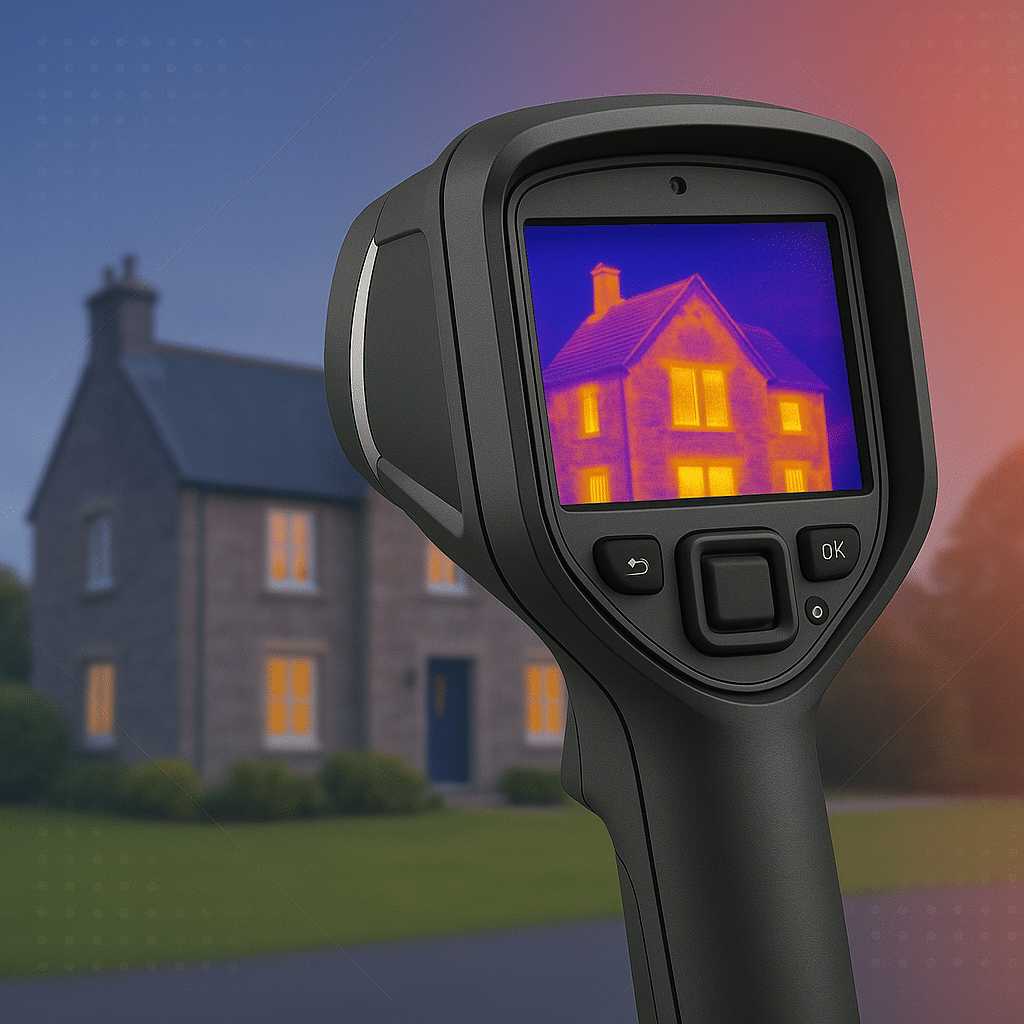
The detection report deserves its own mention, because it does two jobs a slow leak claim badly needs. It proves the leak was genuinely hidden, sealed in a wall, floor or under the ground where no reasonable person would have seen it. And it dates your response, showing you investigated as soon as the problem surfaced. We cover what a good one contains in our guide to leak detection reports for insurance.
There is also a quieter benefit. Trace and access cover, which MoneySuperMarket, citing Defaqto, reports is included in 94% of buildings policies, pays for finding the leak even in many cases where parts of the damage claim get argued over. Finding and stopping the leak fast is worth doing on every front.
Suspect something is leaking slowly right now? Do not wait for it to prove itself. Call us on 07700 152 467 and we will confirm it, or rule it out, without opening up your home on a guess.
If your claim is refused
A refusal letter is a position, not a verdict. Ask the insurer to state in writing exactly which exclusion they are relying on and what evidence supports it. Then answer evidence with evidence: the detection report showing the leak was concealed, your dated photos, and the timeline from first sign to repair. Walk through the process in our step-by-step guide to making a water leak insurance claim.
If the insurer holds its position and you still believe the refusal is wrong, use their formal complaints procedure, and escalate to the independent ombudsman if it is not resolved. Plenty of gradual damage refusals soften when the evidence shows the leak was genuinely undetectable.
Frequently asked questions
Are slow water leaks covered by home insurance?
Sometimes. The damage from a hidden slow leak is often covered if you could not reasonably have known about it and you acted quickly once signs appeared. Claims fail when visible warnings went ignored, because most policies exclude gradual damage and poor maintenance. Your specific wording decides.
What counts as gradual damage?
Damage that developed over a period rather than from one sudden event: staining that spread for months, rot in timbers, corrosion, and deterioration from a long-running weep. Insurers assess it from the physical evidence, which is why the age of the damage often matters more than your account of it.
How do I prove a slow leak was hidden?
With a professional detection report. It documents where the leak sat, typically inside a wall, floor void or underground, and shows it could not have been seen in normal use. Paired with dated photos of the first visible sign and evidence of prompt action, it directly counters the gradual damage argument.
Does trace and access cover apply to slow leaks?
Generally, yes. Trace and access pays to locate the leak and make good the access, and MoneySuperMarket, citing Defaqto, reports 94% of buildings policies include it. It can respond even when parts of the damage claim are disputed, though every policy applies its own limits and conditions.
Should I fix a slow leak before the insurer inspects?
Stop the water as soon as the leak is found; insurers expect you to prevent further damage. Photograph everything first, keep the failed section of pipe if you can, and keep all invoices. What should wait for agreement is the reinstatement work, such as replastering and redecoration.
Speak to MCR Leak Detection
The sooner a slow leak is found, the stronger your claim and the smaller the damage. We pinpoint hidden leaks non-destructively across Scotland, 24/7, with a written report that stands up to an adjuster.
Related reading
- Does Home Insurance Cover Water Leaks? Escape of Water Explained
- How to Make a Water Leak Insurance Claim (Step by Step)
- Why Insurers Ask for a Leak Detection Report (and What’s in One)
- 12 Signs of a Hidden Water Leak in Your Home
Or learn more about our water leak detection across Scotland.