

Homes built before 1970 are the most likely to have lead water pipes. The legal limit for lead in drinking water is 10 micrograms per litre, and the safest long-term fix is full replacement. If your lead supply pipe starts leaking, that is the moment to replace it, not patch it.
Lead Pipes in Older Scottish Homes: Leaks, Health and Replacement
Scotland has some of the oldest housing stock in the UK, and a lot of it still drinks through the plumbing it was built with. If your home went up before 1970, there is a fair chance the pipe bringing water in from the street, or some of the pipework inside, is lead. That matters for two reasons. Lead is a health concern in drinking water, and lead pipes are now old enough that they leak.
This guide covers how to tell if you have lead pipes in Scotland, what the water quality rules say, who owns which section of pipe, and why a leak on a lead supply pipe should almost always end in replacement rather than repair.
What’s in this guide
Why so many older Scottish homes still have lead pipes
Lead was the standard material for water supply pipes for most of the nineteenth and twentieth centuries. It was cheap, easy to bend around foundations and simple to joint. The Drinking Water Quality Regulator for Scotland takes the general position that premises built before 1970 are the most likely to have had their water originally delivered through lead pipes.
Plenty of those pipes have been replaced over the decades, usually during renovations or after a burst. Plenty have not. Tenements, miners’ rows, granite and sandstone villas, rural cottages: the older the property, the better the odds that a grey metal pipe still runs from the boundary to the kitchen tap. Because the supply pipe is buried, most owners have never actually seen it, and many only discover it is lead when it fails.
How to tell if your pipes are lead
You cannot check the buried section without exposing it, but the pipe usually surfaces in two places you can inspect: where it enters the house (often under the kitchen sink or through a floor near the front wall) and at the internal stop valve. Look at the pipe on the house side of the stop valve and compare it with the checks below.
Signs a pipe is lead
- Dull grey colourLead looks matt grey rather than the orange-brown of copper or the white of modern plastic.
- Soft enough to scratchGently scrape the surface with a coin or screwdriver. Lead shows a bright, shiny silver line underneath.
- Swollen, rounded jointsLead pipes were joined with wiped solder joints that look like smooth bulges, not neat mechanical fittings.
- A dull thud when tappedCopper rings when you tap it. Lead gives a flat, dead sound.
- No magnet gripA magnet will not stick to lead, which separates it from old galvanised steel.
If the visible pipework is copper or plastic, do not relax just yet. It was common to replace the last visible metre and leave the buried lead run untouched, so a copper pipe at the stop valve can still be fed by lead under the garden.
Lead, health and the 10 microgram standard
There is no lead in Scottish drinking water when it leaves the treatment works. It picks lead up on the way to your tap, dissolved from lead pipes, lead solder or old lead-lined tanks. That is why two neighbouring houses on the same main can have completely different results.
The current standard for lead in drinking water is 10 micrograms per litre, which came into force in December 2013. The regulator’s guidance notes that lead has been shown to have a slight effect on the mental development of children, and that children, babies and pregnant women are the groups most at risk.
If you have lead pipes and have not yet replaced them, the same guidance offers a practical stopgap: after water has been standing overnight, draw off a washing-up bowlful from the kitchen tap before drinking any, so you are not using the water that sat in the lead pipe for hours. On long supply pipes over 40 metres, more needs to be drawn off. This reduces exposure. It does not remove the source, and it does nothing about the pipe’s condition.
Who owns which pipe in Scotland
Replacement responsibility follows pipe ownership, and in Scotland the split is clear. Scottish Water owns the water main, the communication pipe and the boundary stopcock. You own the supply pipe from the boundary into your home, plus everything inside, even where that pipe crosses your garden or driveway. Our guide to who is responsible for water pipes in Scotland breaks the whole boundary down.
For lead there is a genuinely useful incentive in the system. Once you have replaced the lead supply pipe on your side, Scottish Water will replace any lead in its own section free of charge, according to the DWQR. Replacing your half unlocks a lead-free run all the way from the main to the house, so it is worth telling Scottish Water when the work is planned.
One more thing worth knowing: in flats and older terraced streets, the supply pipe is often shared with neighbours, and Scottish Water treats responsibility for shared pipes as joint. A lead replacement on a shared pipe needs the neighbours around the table early.
A leaking lead pipe: repair or replace?
Lead pipes fail quietly. The metal is soft, the wiped joints creep under decades of pressure, and ground movement does the rest. A leaking lead supply pipe often shows up as a persistent wet patch in the garden or driveway, a drop in pressure at the taps, or a letter after a Scottish Water leakage survey. Under the Water (Scotland) Act you are legally obliged to fix a leaking supply pipe, and Citizens Advice Scotland notes that Scottish Water can serve notice, do the repair and bill you if you do not.
So the question is rarely whether to act. It is whether to patch the pipe or replace it, and with lead we will give you a straight opinion: patching is nearly always the wrong call.
Why replacement wins
- Removes the lead from your drinking water for good, rather than leaving the health issue in the ground
- One planned job instead of repeat emergency callouts as the next section fails
- Triggers Scottish Water’s free replacement of any lead on its side of the boundary
- A modern plastic pipe can often be moled through the ground with minimal digging
Why patching disappoints
- A repair joins new material to soft, ageing lead, and the joint becomes the next weak point
- The rest of the pipe is the same age as the section that just failed
- The lead stays in contact with your drinking water
- Money spent exposing and patching the pipe is money not spent replacing it
Scottish Water also operates an assisted supply pipe repair policy in some circumstances, set out in its leaks and leakage FAQ, so check what help applies before committing to work. And if the leak came to light through a leakage survey, our article on what happens after Scottish Water says you have a leak explains the process and the timescales.
Detection first: how we scope a lead replacement
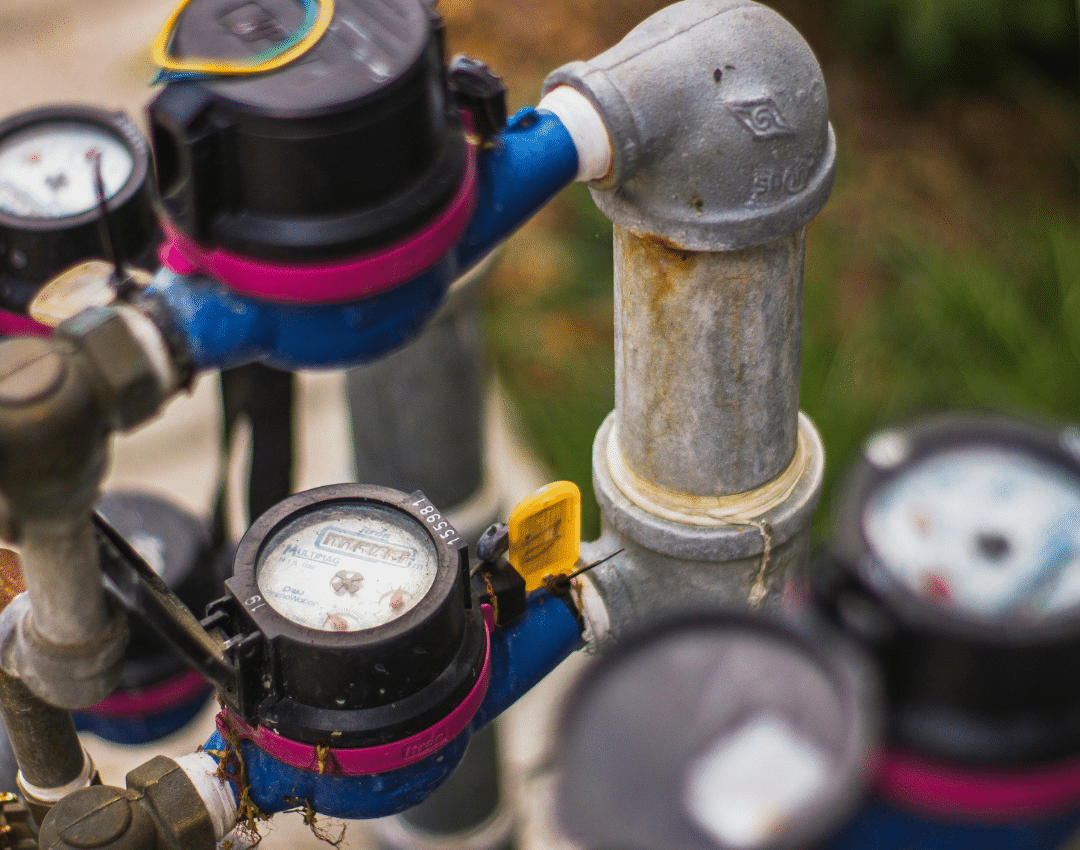
Before anyone digs, two questions need answers. Where does the old pipe actually run, and where is it leaking? Old lead supplies rarely follow the straight line everyone assumes. We regularly trace them wandering under paths, through neighbouring gardens and beneath extensions built long after the pipe went in.
Pipe tracing equipment maps the route from above ground, and acoustic detection pinpoints the leak itself, so the contractor quoting your replacement knows the true length, depth and obstacles before pricing the work. Our guide to tracing underground water pipes explains how that survey works.
That knowledge changes the job. A traced route lets the new pipe be moled or trenched along the shortest sensible line, tells you whether the leak sits on your section or Scottish Water’s, and gives you a written record for insurers or for the neighbours on a shared supply. Guessing, by contrast, means open trenches across a garden looking for a pipe that may not be there.
If you suspect your supply pipe is lead and leaking, call us on 07700 152 467 and we will locate the pipe and the leak before a single slab is lifted.
Lead pipes in rented homes: the rules are stricter
Landlords in Scotland have a firmer duty than owner-occupiers. The Scottish Government’s Repairing Standard statutory guidance requires water installations in private rented homes to be in reasonable repair and proper working order, and states that lead pipes, lead-lined tanks and lead fittings should not be present in the drinking water supply. Landlords are expected to check visible pipework, and where lead between the boundary and the kitchen tap cannot be removed because other owners will not consent, tenants must be given advice on minimising their exposure.
If you rent out a pre-1970 property and have never confirmed what the supply pipe is made of, a survey settles it quickly, and it is far better to find out on your own schedule than through a tenant’s tribunal application.
Frequently asked questions
How do I know if my house has lead pipes?
Check the pipe at your internal stop valve, usually under the kitchen sink. Lead is dull grey, soft enough to scratch to a shiny silver, sounds dead when tapped and has smooth, bulging joints. Homes built before 1970 are the most likely to have lead, according to the Drinking Water Quality Regulator for Scotland.
Is it safe to drink water from lead pipes?
The drinking water standard for lead is 10 micrograms per litre, and the regulator advises that children, babies and pregnant women are most at risk from lead exposure. Running off a bowlful of standing water before use reduces levels, but the DWQR’s advice is clear that removing the lead pipework is the proper fix.
Who pays to replace a lead water pipe in Scotland?
You pay for the supply pipe from the boundary into your home, because you own it. Scottish Water owns the main, the communication pipe and the boundary stopcock, and once you have replaced your lead supply pipe it will replace any lead in its own section free of charge.
Do I have to fix a leaking lead supply pipe?
Yes. Under the Water (Scotland) Act, owners are legally obliged to repair supply pipe leaks. Citizens Advice Scotland notes that Scottish Water can serve notice, carry out the repair itself and charge you for it if the leak is left unfixed.
Can a lead pipe be replaced without digging up the whole garden?
Often, yes. Once the old route has been traced and the leak located, contractors can frequently mole a new plastic pipe through the ground between small launch and reception pits rather than opening a full trench. An accurate trace of the existing pipe is what makes that possible.
Speak to MCR Leak Detection
Suspect the pipe under your garden is lead, or already watching a wet patch spread? We trace old supply pipes and pinpoint leaks non-destructively across Scotland, 24/7, so replacement is planned rather than guessed.
Related reading
- Who Is Responsible for Water Pipes in Scotland?
- How to Trace Underground Water Pipes Before You Dig
- Scottish Water Says You Have a Leak? What Happens Next
- How to Find an Underground Water Leak (and Who to Call)
Or learn more about our water leak detection across Scotland.