

More than you would guess. A dripping tap wastes up to 5,500 litres a year (WaterSafe), a leaking toilet passes 215 to 400 litres a day (Waterwise), and a burst running at one litre per second loses 86,400 litres a day. Scottish homes pay through damage rather than bills; metered businesses pay for every litre.
How Much Water Does a Leak Actually Waste?
A drip looks harmless. It is one drop, then another, and nobody ever rang an emergency plumber about a drop of water. But leaks run around the clock, and multiplication is merciless: a drip becomes a bathful, a weeping toilet valve becomes a swimming pool, and a burst supply pipe becomes numbers most people simply do not believe until they see a meter reading.
This article puts honest, sourced figures on the question, then looks at what those litres cost in Scotland, where most homes have no water meter and the real bill arrives as damage.
In this guide
How much water does a leak waste? The headline numbers
| Leak type | Typical waste | Over a year |
|---|---|---|
| Dripping tap | Around 15 litres a day | Up to 5,500 litres |
| Leaking toilet | 215–400 litres a day | Around 78,000–146,000 litres |
| Burst at 1 litre per second | 86,400 litres a day | Over 31 million litres |
The yearly columns are simple arithmetic from the sourced daily rates, and they explain why we treat “it is only a small leak” as the most expensive sentence in plumbing.
The dripping tap: small, slow and surprisingly large
According to WaterSafe, the national register of approved plumbers, a single dripping tap can waste up to 5,500 litres of water a year, which it describes as enough to fill a paddling pool every week for a whole summer. Spread out, that is roughly 15 litres a day from one worn washer.
A tap has one redeeming feature: you can see and hear it, so it gets fixed. The leaks that concern us professionally are the ones doing tap-level waste or worse where nobody can see them, under floors, in walls and underground.
The leaking toilet: the biggest silent waster in the house
A toilet that passes water from cistern to bowl is in a different league. Waterwise, the UK water efficiency body, puts the average waste from a leaky loo at 215 to 400 litres a day and estimates that between 5 and 8 per cent of UK toilets are leaking at any one time, mostly dual flush models.
Four hundred litres is around five full baths, every day, running silently down the back of the pan. Most owners have no idea, because the flow is smooth, quiet and invisible against white porcelain. The 20-minute dye test settles it, and we walk through it in our guide to toilets that keep running.
Bursts and underground leaks: where the numbers get silly
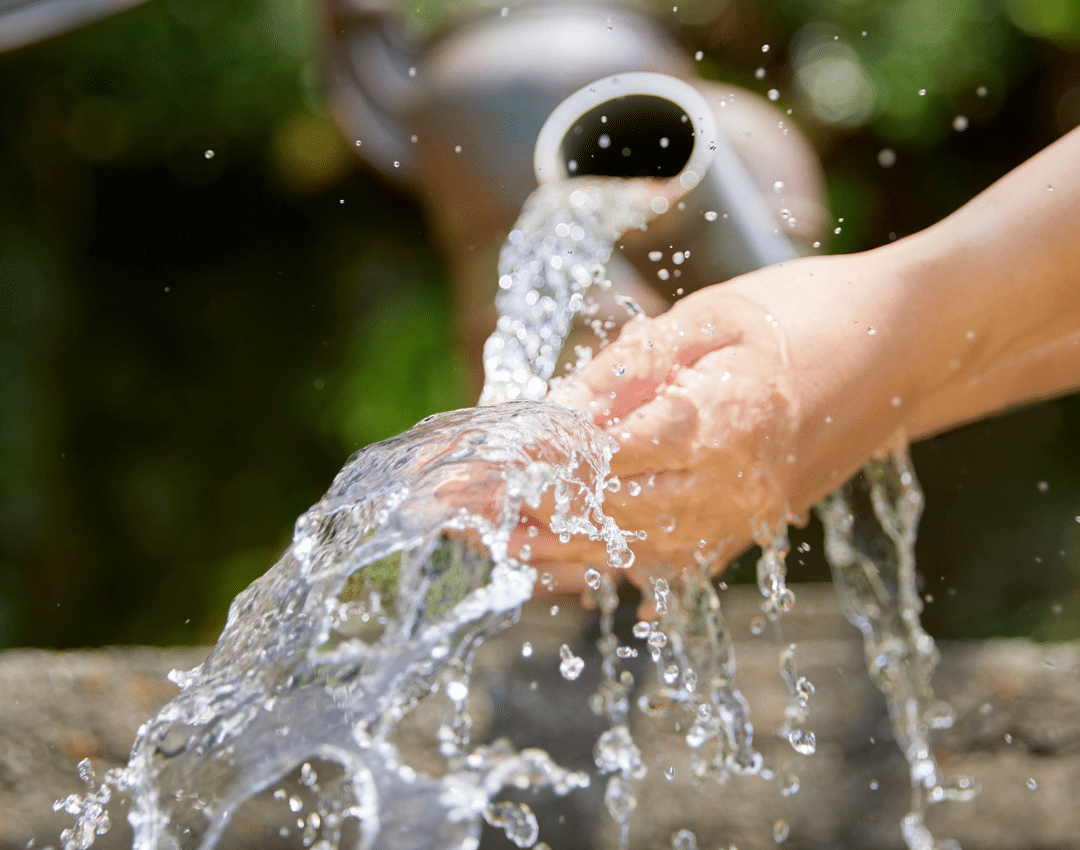
A pressurised supply pipe does not drip when it fails. It flows. Castle Water, one of the UK’s licensed water retailers, describes one litre per second as a moderate leak. Run the numbers on that: 60 litres a minute, 3,600 an hour, 86,400 litres every single day.
Underground leaks on this scale can run for months, because the water often drains into the ground rather than surfacing. A soft patch of lawn or a drop in pressure may be the only clue.
Winter multiplies the risk. Scottish Water reported around 3,100 bursts on its network in winter 2023/24, and noted that over 30 per cent of winter leaks occur on customer property, which means the owner’s side of the boundary. Our guides to finding an underground water leak and protecting pipes in a Scottish winter cover both ends of that problem.
What it costs Scottish homes: damage, not bills
Here is the twist that separates Scotland from most English advice on this topic. Most Scottish households pay for water through council tax, without a meter, so a leak does not raise the household water bill by a penny. The English-style leak allowance on a household bill does not apply here, because there is no metered bill to adjust.
That does not make the water free. It makes the cost arrive by other routes.
- Damage instead of billsThe wasted litres end up in your screed, joists, plaster and foundations. Drying and reinstating a water-damaged room costs far more than any water bill would have.
- A legal duty to repairUnder the Water (Scotland) Act, owners must keep their supply pipe in good repair. Scottish Water can serve notice and, ultimately, carry out the repair and charge the owner, as Citizens Advice Scotland explains.
- No meter means no warningWithout a meter ticking upward, a hidden leak has no automatic alarm. The classic advice to “check your meter” fails in most Scottish homes, which is why we wrote a guide to checking for a leak without a meter.
If you suspect a leak and want to know before it becomes a drying-out project, call us on 07700 152 467. A short conversation usually tells us whether a survey is worth your money.
Businesses: the meter maths
Scottish businesses are metered and billed through Licensed Providers, so for commercial premises every figure in this article converts directly into money. Castle Water’s estimate above puts a moderate one litre per second leak at around £55,000 a year. Even a single leaky loo at Waterwise’s figures pushes roughly 9,000 litres a month through the meter unnoticed.
Two pieces of good news for business owners. First, the meter that charges you also betrays the leak: readings taken at close and open of an empty building reveal overnight flow that should not exist. Second, where a hidden burst has inflated the bill, Licensed Providers can grant a Burst Allowance against the wasted water. The rules and evidence are covered in our guide to leak allowances in Scotland, and our commercial leak detection guide explains how surveys work around trading hours.
How to find out what you are wasting
Every litre in this article had been treated to drinking standard before it disappeared, which is reason enough to act even where no bill is attached. The checks below cost little or nothing.
Quick waste audit for any property
- Dye test every toiletFood colouring in the cistern, wait 20 minutes without flushing, look for colour in the bowl.
- Listen at the stopcock at nightWith every outlet off, a hiss or hum at the main stopcock means water is moving somewhere it should not be.
- Watch the boiler gaugeA sealed heating system that keeps losing pressure is leaking somewhere, even if no water is visible.
- Walk the outsideLush green stripes, soft ground or a wet patch on a dry week point to the supply pipe.
- Businesses: take overnight readingsTwo meter readings across a closed period turn the meter into a free leak detector.
If any of those checks fails, our pillar guide on how to find a water leak is the next step, and professional detection takes over where DIY checks run out.
Speak to MCR Leak Detection
A hidden leak wastes water every hour it runs, whether it shows on a bill or not. We pinpoint leaks non-destructively across Scotland, 24/7, so the waste stops at one small repair instead of months of damage.
Frequently asked questions
How much water does a dripping tap waste per day?
WaterSafe puts a dripping tap at up to 5,500 litres a year, which averages out at roughly 15 litres a day. The exact figure depends on the drip rate, and a fast drip can waste considerably more. A new washer usually stops it for a few pounds.
Will a leak show up on my water bill in Scotland?
For most households, no. Scottish homes are generally unmetered, with water charges collected through council tax, so the bill never changes however much a leak wastes. Businesses are metered, so leaks appear directly in their invoices. That difference shapes how leaks get noticed in Scotland.
What wastes the most water in a typical home?
A leaking toilet is usually the worst offender indoors, at 215 to 400 litres a day according to Waterwise. Underground supply pipe leaks beat everything once they take hold, because a pressurised pipe can pass tens of thousands of litres a day without a drop showing above ground.
How many litres does a burst pipe lose?
It depends on pressure and pipe size, but licensed retailer Castle Water describes one litre per second as a moderate leak. That rate equals 86,400 litres a day. Even a fraction of it explains why a burst that runs over a weekend can flood structures and drains alike.
Can a business claim money back for water lost to a leak?
Often, yes. Metered businesses in Scotland can apply for a Burst Allowance through their Licensed Provider once the leak is repaired, with evidence including meter readings taken a week apart and a repair or detection report. Households cannot, because unmetered bills never rose in the first place.
Related reading
- Toilet keeps running? What it wastes and how to stop it
- How to check for a water leak when your home has no meter
- Leak allowances in Scotland: the rules for homes and businesses
- How much does leak detection cost? UK and Scotland price guide
Or learn more about our water leak detection service across Scotland.