
If Water Is Escaping, We Will Hear It
Book an acoustic survey and have your hidden leak located by sound rather than guesswork.
📞 Get A Free Quote: 07700 152 467Free Quote for an Acoustic Leak Survey
Sound-based leak tracing anywhere in Scotland. One fixed price, nothing hidden.
When an Acoustic Leak Survey Is the Right Call
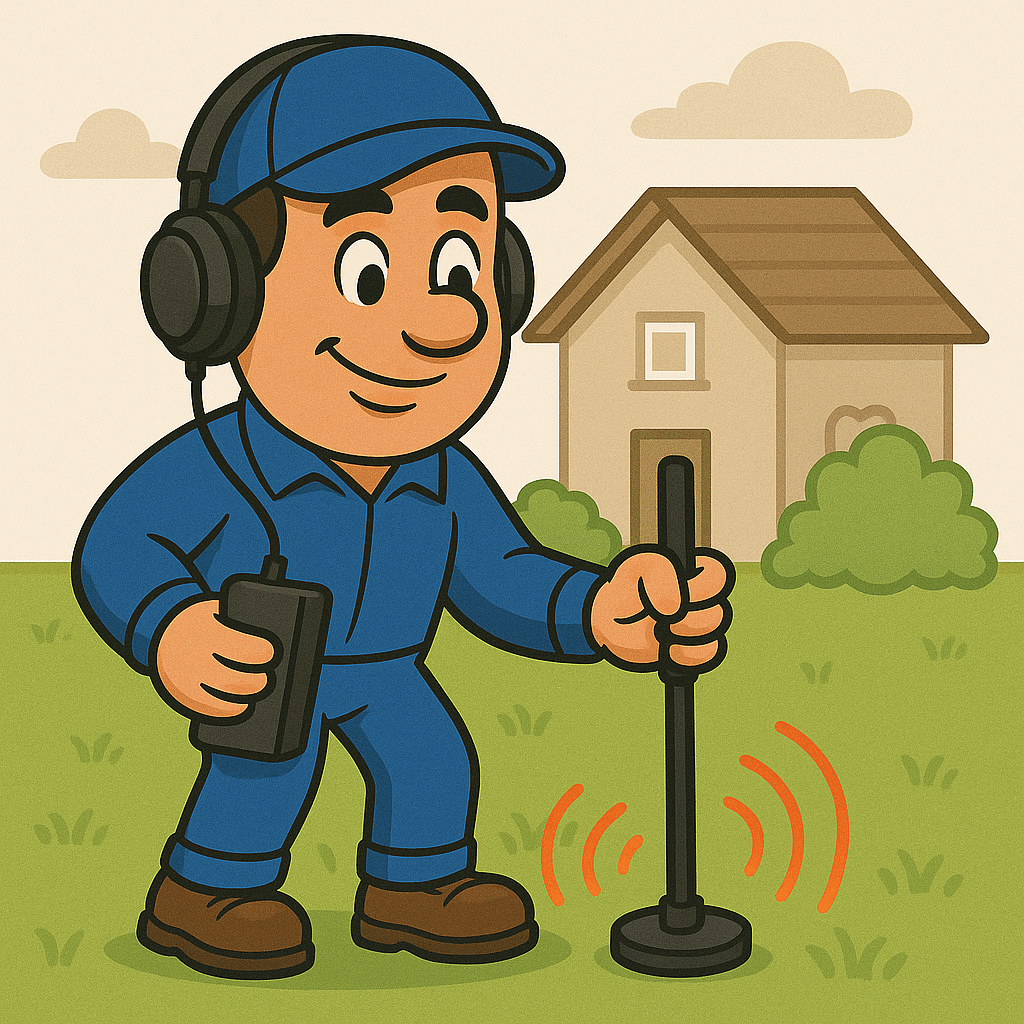
Can you hear water moving when every tap is shut? Is the meter still ticking over at midnight? Those are the jobs acoustic listening was made for. The equipment amplifies the particular frequencies escaping water produces, dragging leaks out of hiding whether they sit deep underground or inside the fabric of the building.
Thirty years of listening work has taught the engineers at MCR Leak Detection how sound behaves in every material Scotland builds with, granite, brick, timber and modern concrete alike, so the reading stays accurate whatever the property.
Running Water With Everything Off
If pipes are audibly carrying water while taps and appliances sit idle, something is escaping, and listening equipment will trace exactly where.
Wet Ground With No Explanation
Soggy patches appearing in a lawn or driveway usually mean a buried pipe has failed. Ground microphones were made for precisely this situation.
A Meter That Never Rests
A dial still creeping round while nothing draws water is proof of a leak. An acoustic sweep turns that proof into an exact location.
Faults Hidden in Walls and Floors
Where pipework runs inside the structure itself, we listen straight through the plaster, boards or screed and mark the source without breaking anything.
Too Many Possible Culprits
In a complicated plumbing layout, acoustic scanning works through each pipework route in turn, ruling runs out until only the leaking one remains.
Falling Pressure but No Water in Sight
When the gauge drops and nothing shows, listening equipment digs out those stubborn faults in central heating systems and supply pipework.
Act early: every week a leak runs, the repair grows. Scottish freeze-thaw weather turns a pinhole into a burst faster than most people expect, and an early acoustic survey catches the fault before that happens.
The Sound Science Behind Our Leak Surveys
Pressurised water escaping through a breach sets up vibrations with a signature all of their own. Those vibrations travel along pipe walls and out through soil, concrete and masonry. Our instruments amplify them, analyse them and turn them into a leak position we can mark on the ground with confidence.
Different leaks call for different listening tools. Ground microphones, correlators and contact probes each earn their place depending on the pipe, the surface and the noise around it, and the engineer picks the line-up to suit.
High-Sensitivity Ground Microphones
Leak noise carries through as much as 2 metres of soil or concrete, and our ground microphones are sensitive enough to catch it. They amplify the sound of water leaving underground pipes, letting us follow a mains or supply run to the fault without a spade touching the ground.
Below-Ground WorkLeak Correlation Sensors
Correlators clamp two or more sensors to the same pipe at separate points. The system times how long the leak noise takes to reach each sensor and works out the position mathematically. Nothing beats them on long runs and water mains detection.
Maths-Backed AccuracyContact Listening Probes
Probes placed directly against pipes, valves and hydrants read vibration at the metal itself. Because they move from point to point in seconds, they are ideal for shrinking the search area in busy plumbing systems.
Quick Point ChecksSound Analysis Software
Software strips traffic rumble, machinery hum and other interference out of the recording, leaving the acoustic fingerprint of pressurised water standing alone. That keeps false readings off the survey.
Background RemovalHydrophone Listening
Underwater microphones pick up leak noise inside flooded pipes and swimming pool circuits. Water carries sound extremely well, so hydrophones perform exactly where standard surface listening starts to struggle.
In-Water DetectionFrequency Profiling
Reading the pitch of a leak tells us about its size. A high whine tends to mean a small pressurised escape, while a deeper note points to heavier water loss, useful knowledge when deciding which repair comes first.
Severity GradingBest of all, listening harms nothing. Walls, floors and ground surfaces stay exactly as we found them, which makes the method a natural fit for listed buildings, freshly finished interiors and gardens nobody wants dug up.
How an Acoustic Survey Unfolds

Each survey follows a set sequence that gets the most from the equipment while asking the least of your property. Old-fashioned listening skill and modern digital analysis work side by side until the leak has nowhere left to hide.
No two buildings sound alike. Cast iron in a Victorian tenement rings in a completely different way from plastic pipe in a new build, and our engineers tune their technique to the property in front of them.
Mapping the Pipework
The survey starts on paper: where the pipes run, and where the natural listening points sit, stopcocks, valves and hydrants among them. Knowing the layout means the equipment goes exactly where it will hear the most.
First Listening Sweep
A quick pass with electronic listening devices shows which zones are acoustically live. That first sweep trims the search area right down, so the detailed work concentrates where the evidence points.
Ground Microphone Survey
Ground microphones then work the suspect zones methodically, reading at set intervals along each pipe route. The result is an acoustic map with the leak noise peaking at one clear point, and no gaps where a fault could slip through.
Cross-Correlation Work
Long or complicated runs get the correlators. Several sensors listen to the same noise at once and the timing differences between them become a calculated leak position, precise enough to mark with chalk.
Second-Method Confirmation
Before anyone reaches for tools, the finding gets checked against thermal imaging or tracer gas detection. Two independent methods agreeing on the same spot is our standard for calling a leak located.
Written Findings and Report
You get the full paperwork: readings taken, the marked location, and what we recommend doing next. Reports are written to insurance standard and carry the technical detail needed for trace and access claims.
Get a Listening Survey Booked In
Cut the water waste and stop the damage spreading. Our sound engineers are ready.
The MCR Leak Detection Difference on Acoustic Work
Leak Problems Where Listening Wins
Some leaks defeat every method except sound. From family homes to commercial buildings, these are the jobs where our listening equipment earns its keep day after day.
Mains Supply Pipe Failures
The run between the street and your stop tap is long, buried and costly to dig. Correlators trace a fault along it accurately, so drives and gardens stay intact.
Pipes Beneath Hard Surfaces
Patios, paths and landscaping often sit right on top of service pipes. Ground microphones read through the surface, finding the fault without wrecking the garden or breaking concrete slabs.
Escapes Inside Wall Cavities
Pipes buried behind plasterboard or deep in stonework still transmit vibration when they leak. We read that vibration through the wall, and the coverings stay on.
Heating Circuits Losing Pressure
A gauge that keeps sinking on central heating or underfloor heating systems means water is going somewhere. Listening picks up the small pipework faults behind lockouts and poor performance.
Heritage and Listed Properties
Historic fabric cannot simply be opened up on suspicion. Acoustic survey respects that, locating faults in Victorian pipework and traditional plumbing while every original surface stays untouched.
Pool Shell and Pipe Losses
Losing water from a pool shell or its circulation pipework? Hydrophones listen from inside the water itself, finding the crack or failed joint without a full drain-down.
After-Frost Damage Sweeps
A hard Scottish winter can split a pipe in more than one place. An acoustic sweep picks up every affected section in a single visit, so the repair deals with all of it.
Flats and Multi-Storey Buildings
In tenements, flats and office blocks a leak on one floor often shows up on another. We follow the sound between storeys to the true source with minimal disturbance to occupants.
If a leak can be heard, we will find it, and if it cannot, we carry the other tools too. Our comprehensive water leak detection services mean the survey never stops at one method.
Reserve Your Acoustic Survey Visit
Sound technology that finds the hidden leak and leaves no trace behind
Your Leak Is Making a Noise. We Can Find It
Every hour a hidden leak runs, it costs you. Our engineers carry the best listening equipment working in Scotland today and they know exactly how to use it.
What Makes Listening Such a Reliable Way to Find Leaks
Good listening work is half instrument, half interpretation. A leak announces itself through frequency, loudness and resonance, and that mix tells a trained ear what is going on inside the pipe. Owning sensitive equipment is the easy part. Knowing what the sounds mean takes years on the tools.
The vibration from a pressurised escape runs along the pipe wall and into everything around it, sometimes astonishingly far. Correlation work has let us pick up leaks more than 100 metres from where we stood. Material matters, though: cast iron rings, copper carries a different note, and old Victorian lead behaves like nothing else.
Three decades of Scottish jobs have taught us the local acoustics: how granite walls carry a signal, what clay soil does to it, and how a wet or freezing day changes the reading. Stone tenement or timber-frame estate house, we have listened to them all.
Sound also keeps working when other methods give up. Cold that troubles electronic sensors does not silence a leak. A wall too thick for a thermal camera still carries vibration. And on a noisy city street, frequency filtering lifts the leak signal clean out of the background racket.
Sound science, practised ears and dependable answers: that is acoustic leak detection done properly. Get in touch with MCR Leak Detection today and put a listening engineer on your leak.