

Black mould after a water leak means moisture is still getting into the building fabric. Cleaning buys you a few weeks at best; UK health guidance is blunt that surface removal alone will not stop it returning. Find and fix the leak first, dry the area properly, then clean. People with asthma or allergies, young children and older people face the highest health risk.
Black Mould After a Water Leak: Causes, Health Risks and Fixing the Source
Mould is not really the problem. Moisture is. Black mould turning up on a wall, ceiling or skirting after a leak is a symptom, the same way a damp stain is, and it obeys one simple rule: it grows where water keeps arriving and cannot dry out. Scrub it off without stopping the water and it comes back, usually in the same spot, often worse.
We see this pattern constantly in Scottish homes. A small leak gets patched, or worse, never found at all, the redecorated wall blooms black again within the month, and the household starts to worry about their health. This guide covers why mould follows a leak, what the health guidance actually says, and how to break the cycle for good.
What’s in this guide
Why mould follows a water leak
Mould spores are in the air of every home, all year round. They only become visible growth when three things line up: a surface to feed on, a reasonable temperature, and sustained moisture. The first two are always present, since plasterboard, wallpaper paste, timber and dust are all food. Moisture is the only variable you control.
A water leak is the perfect moisture supply. Unlike a one-off spill, a leaking pipe delivers water continuously, soaking the same patch of plaster or timber day after day. The material never dries, and mould gets the stable, wet environment it needs. That is why leak-fed mould is often patchy and localised, clustered around one section of wall or ceiling, rather than spread evenly across a cold room.
It also explains the frustrating redecoration cycle. Stain block and fresh paint do nothing about water arriving behind the surface. Until the pipe is repaired, the wall is being rewetted from inside, and the new paint simply gives the mould a clean canvas.
The health risks, plainly stated
The UK Health Security Agency publishes guidance on damp and mould in the home, and it is worth reading rather than relying on internet folklore. It states that substances released by damp and mould predominantly affect the airways and lungs: cough, wheeze and shortness of breath, a raised risk of airway infections, and the development or worsening of allergic conditions such as rhinitis and asthma. Eye irritation and skin problems such as eczema are also listed.
The same guidance is clear about who needs to take it most seriously:
- People with existing lung or allergy conditionsAsthma, COPD and similar conditions can be made noticeably worse by living with mould.
- Children and young peopleThe guidance flags those whose lungs and airways are still developing.
- Older people and anyone with a weakened immune systemBoth groups face higher risk from airway infections linked to mould exposure.
- Mental healthLiving with recurring mould, ruined decoration and damaged belongings takes a documented toll on wellbeing too.
None of this means a patch of mould behind a wardrobe is an emergency. It does mean the “just wipe it down and forget it” approach is the wrong one when the cause is an active leak, because exposure continues for as long as the moisture does.
Where black mould appears after a leak
Mould marks the moisture, not the leak. Water travels along pipes, joists and cavities before it settles, so the growth can be a surprising distance from the failed fitting. After years of tracing leaks across Scotland, these are the classic spots:
- Ceilings below bathroomsA weeping bath waste, shower tray or toilet connection above shows up as a mouldy ring or patch on the ceiling underneath.
- Skirtings and the bottom half-metre of wallsWater from a floor-level or underfloor pipe wicks up into plaster, and mould follows the tide line.
- Inside kitchen and bathroom cupboardsSlow weeps from traps, flexi hoses and valves keep the enclosed space humid, and the chipboard carcass feeds the growth.
- Behind furniture on affected wallsWardrobes and sofas trap the damp air against the cold, wet wall, which is why the worst growth is so often discovered late.
- Around window reveals and ceiling corners near a roof or gutter faultNot every “leak” is plumbing; rainwater ingress produces the same result.
If the mould sits somewhere with no obvious water source, that is a strong hint the supply is hidden. Our guide to finding a water leak in a wall or ceiling explains why the visible damage is rarely directly below the failure point.
Cleaning mould vs fixing the source
Cleaning has its place, but the order matters. The UKHSA guidance puts it plainly: simply removing surface mould will not stop damp and mould reappearing, and the underlying cause has to be identified and dealt with. For a leak, that means the sequence is repair, dry, then clean.
1. Stop the water
Find the leak and repair it. This is the step people skip, because it is the hardest, and it is the only one that actually works long term. Everything else in this list is temporary until the pipe is fixed.
2. Dry the fabric out
Plaster and timber hold a lot of water. Depending on how long the leak ran, proper drying can take weeks, and sealed floor coverings or vinyl paints slow it further. Ventilation, gentle heat and, for serious soakings, professional dehumidification all help.
3. Clean or replace affected surfaces
Small areas of mould on sound paintwork can be cleaned with a suitable fungicidal product, following the label. Wear gloves, keep the room ventilated and do not dry-brush growth, since that throws spores into the air. Heavily contaminated plasterboard, sodden insulation and swollen chipboard are usually better replaced than treated.
4. Redecorate last
Only once moisture readings are back to normal. Paint over a damp wall and you trap water in the fabric, and the cycle restarts.
For large or repeatedly recurring growth, especially where someone vulnerable lives in the home, bring in a professional remediation firm rather than tackling it with a sponge. And if anyone in the household has symptoms they link to mould, speak to a GP.
Is it a leak, condensation or something else?
Not all black mould comes from a leak, and the treatment differs completely, so it pays to diagnose before you spend money. Condensation mould is the most common kind in Scottish homes, particularly through winter, and it prefers cold spots: corners of external walls, window reveals, behind furniture, unheated bedrooms. It tends to appear across a whole zone rather than in one concentrated patch.
Leak-fed mould behaves differently. It is localised, it persists through summer when condensation eases off, and it usually comes with other evidence: a stain that grows, a musty smell that will not shift, lifting paint, or a boiler that keeps losing pressure. Our comparison of condensation, damp and leaks walks through the differences in detail, and the guide to damp patches with no obvious leak covers the awkward in-between cases.
The distinction matters financially as well. Condensation is managed with heating, ventilation and insulation. A leak needs a repair, and possibly an insurance claim. Misdiagnose one as the other and you either dehumidify a room forever while a pipe drips in the wall, or you rip open a wall chasing a leak that was never there.
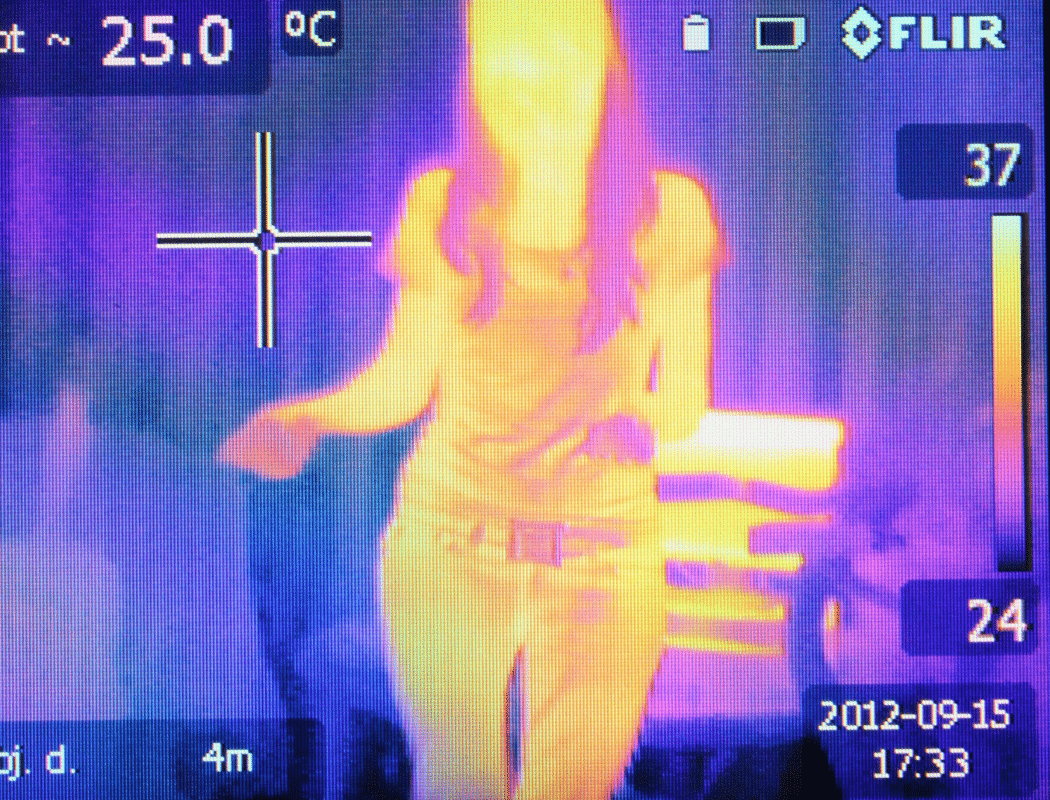
A moisture survey settles the question without guesswork. Thermal imaging shows the temperature signature of wet fabric and hidden pipe runs, and moisture meters map how far the water has spread and whether it is still arriving.
A live leak shows a moisture pattern that stays wet at its centre and tracks back towards a pipe. Old, drying damage and condensation each produce a different picture. Ten minutes with the right instruments often saves weeks of wrong assumptions.
Finding the leak that feeds the mould
Once a leak is the likely cause, the job becomes location. The mould patch gives us a starting point, and from there a survey works backwards: which pipes run near the affected area, which system is losing water, and where exactly the failure sits. Thermal imaging traces warm heating pipes and cold soaked patches through plaster, moisture mapping shows the spread, and acoustic equipment confirms the escape point on pressurised pipework.
The goal is a single, precise repair rather than exploratory holes across a mouldy wall. That matters for your decoration, and it matters for any insurance claim, because a detection report documents the cause of the damage properly.
If mould keeps returning to the same spot no matter how often you clean it, call us on 07700 152 467. We can usually tell you within a visit whether you have a live leak or a condensation problem, and exactly where the water is coming from.
Renting? What Scottish landlords must do
In Scotland, private landlords have legal duties here. The Repairing Standard requires installations for the supply of water, including pipework, to be in a reasonable state of repair and in proper working order, and a property with an active leak feeding mould growth will struggle to meet that standard. Tenants should report the problem in writing, keep photos with dates, and give the landlord a fair chance to investigate and repair.
In flats, the leak may not even start in your home. Water from a failed pipe upstairs regularly surfaces as mould on the ceiling below, and our guide to water leaks from the flat above in Scotland covers who is responsible and how to get it resolved when the neighbour is slow to act. An independent detection report showing whose pipe failed is often the document that unlocks the whole dispute.
Frequently asked questions
Does black mould always mean I have a water leak?
No. Condensation is the more common cause in Scottish homes, especially in winter and in cold corners. Leak-fed mould tends to be concentrated in one patch, persists year round and often comes with stains, smells or boiler pressure loss. If growth keeps returning to one spot after cleaning, suspect a leak.
Is black mould after a leak dangerous?
UK health guidance links damp and mould to airway and lung problems, including cough, wheeze and worsened asthma, with children, older people and anyone with existing lung conditions or weakened immunity most at risk. A small patch is not a panic situation, but it should not be left, and the moisture source needs fixing.
Can I just clean black mould off with bleach?
Surface cleaning with a suitable fungicidal product deals with what you can see, and that is worth doing on small areas. It does not fix anything, though. Official guidance states that removing surface mould will not stop it reappearing while the underlying moisture remains, so the leak has to be repaired first.
How long after fixing a leak will mould stop growing?
Growth stops once the fabric dries, and that is the slow part. Soaked plaster and timber can take weeks to dry properly, longer if the leak ran for months or the area is poorly ventilated. Keep air moving, add gentle heat, and only redecorate once the surface reads dry on a moisture meter.
Who deals with mould from a leak in a rented flat in Scotland?
The landlord, where the cause is a repair issue. The Repairing Standard requires water installations to be in reasonable repair and proper working order. Report the mould in writing with photos. If the water comes from another flat, responsibility sits with that owner, and a detection report can prove whose pipe is at fault.
Speak to MCR Leak Detection
Mould that keeps coming back has a water source that has not been found yet. We trace hidden leaks non-destructively with thermal imaging, moisture mapping and acoustic equipment, across all of Scotland, 24/7.
Related reading
- Musty Smell in the House? It Might Be a Hidden Leak
- Condensation, Damp or a Leak? How to Tell the Difference
- Damp Patch on the Wall but No Obvious Leak? Start Here
- How to Find a Water Leak in a Wall or Ceiling
Or learn more about our water leak detection across Scotland.