

Find the frozen section, open the nearest tap, and thaw it slowly with a hairdryer on low, warm towels or a heater in the room. Never use a blowtorch or boiling water. Know where your stopcock is before you start, because ice often hides a split that only leaks once the pipe thaws.
Frozen Pipes: How to Thaw Them Safely and Prevent a Burst
You wake to a Scottish cold snap, turn the tap and get a trickle or nothing at all. A frozen pipe on its own does no harm. The damage happens because water expands as it freezes, splitting copper and pushing joints apart, and because a thawing pipe releases everything the ice was holding back. How you handle the next hour decides whether this is an inconvenience or an insurance claim.
Here is the order of work our engineers would follow in their own homes: find the freeze, prepare for water, thaw gently, and watch the pipe like a hawk as it comes back to life.
What’s in this guide
How to tell your pipes are frozen
The classic sign is one tap, or one whole floor, going dry during freezing weather while other outlets still run. If nothing in the house works, the freeze is likely on the incoming mains, often where it enters through an outside wall or runs through an unheated space. A boiler can also lock out with a frozen condensate pipe, which shows a fault code rather than a dry tap.
Other tells: frost or ice on a visible pipe when nearby pipes are clear, a pipe that feels noticeably colder than its neighbours, and slight bulging at the coldest point. Toilets that refuse to refill are often the first complaint of the morning.
Frozen pipes: what to do first is find the frozen section
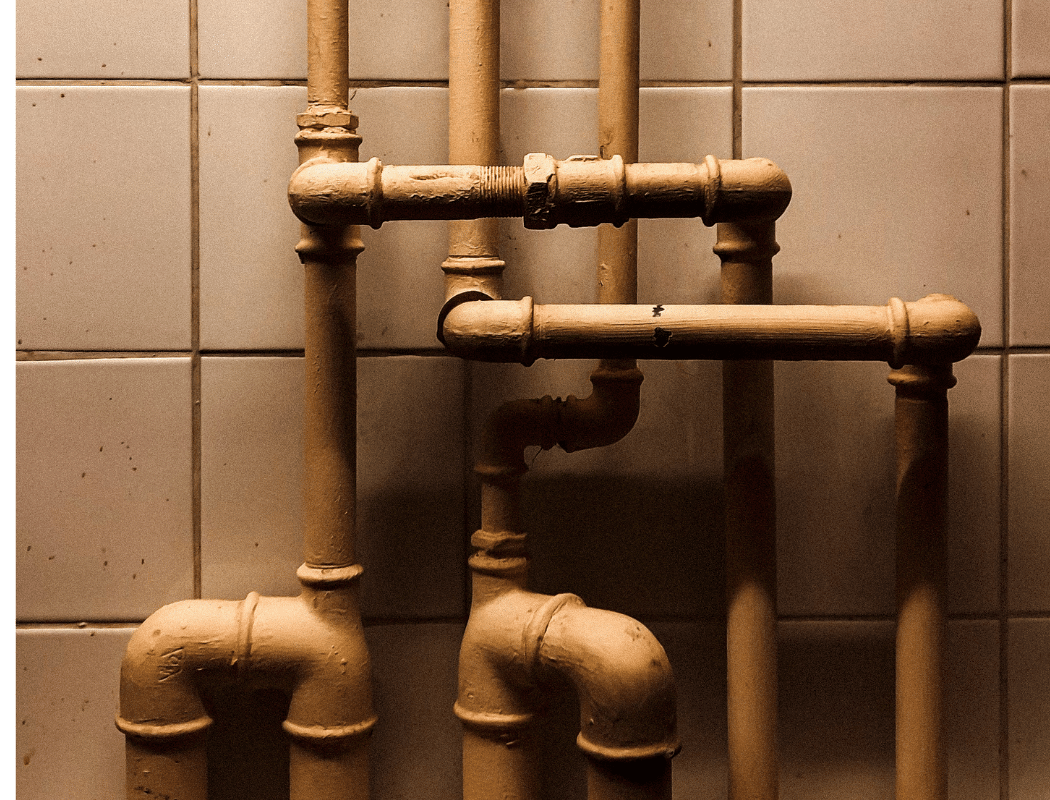
Work backwards from the dry tap towards the incoming main, checking the coldest places first. In Scottish homes the usual suspects are:
- Lofts and attic roomsEspecially pipes above the insulation, where loft cold does the damage.
- Under ground-floor floorboardsSuspended timber floors have ventilated voids that run at outside temperature in a cold snap.
- Unheated spacesGarages, basements, tenement closes, under the kitchen sink against an outside wall.
- Outside pipeworkGarden taps, and the boiler condensate pipe on the outside wall.
Run your hand along each accessible run. The frozen section feels distinctly colder, and you can sometimes see frost or a slight swell at the blockage.
Step 2: prepare before you thaw anything
Find and test your stopcock
Before applying any heat, know exactly how to cut the water off, because if the pipe has already split you may have minutes once it thaws. If you have never used it, our guide on finding your stopcock shows where to look and how to free a stiff one.
Open the affected tap
Open the tap the frozen pipe feeds. It gives the melting water and any trapped pressure somewhere to go, and a restored dribble tells you the thaw is working.
Clear the area and lay towels
Move anything you value away from the pipe run, and put towels and a basin under the section you are about to thaw. If the worst happens, the first litre does the most damage to floors.
Step 3: thaw it gently, never fiercely
Gentle heat, applied gradually, is the whole trick. Start at the tap end of the frozen section and work back towards the main, so melting water can escape rather than being trapped between two plugs of ice. Use a hairdryer on a low setting kept moving along the pipe, towels soaked in warm water and wrung out, a hot water bottle strapped against the pipe, or simply heating the room and waiting. Patience is a tool here. A slow thaw over an hour is safer than a fast one in ten minutes.
What not to use: a blowtorch, a heat gun, or boiling water straight from the kettle. Naked flame near joists and old paintwork is a fire risk, extreme heat can turn the ice to steam inside a sealed section and burst the pipe on the spot, and sudden temperature swings crack solder joints and plastic fittings. Scottish Water’s own Protect your Pipes advice is the same: thaw gently or wait, never force it.
Step 4: watch for splits as it thaws
Here is the part that catches people out. The ice itself often plugs the very split it created. While the pipe is frozen, everything looks fine. As it thaws, the plug shrinks and the leak begins, sometimes an hour after you have packed the hairdryer away and left the room.
So inspect the whole thawed run in good light. Look for a fine lengthwise split in copper, a pushed-open compression joint, white stress marks on plastic pipe, and any weeping or beading along the pipe. Then check again an hour later, and once more that evening. If the pipe runs under a floor or through a wall where you cannot see it, treat any new damp patch, drip sound or unexplained boiler pressure drop in the following days as a thaw split until proven otherwise. Our guide to the signs of a hidden water leak lists what to watch for.
Found a split, or suspect one you cannot see? Shut the stopcock and call us on 07700 152 467. We trace thaw damage non-destructively, day and night, across Scotland.
If it bursts anyway
If water starts escaping faster than a weep, stop reading and act: stopcock off, affected taps open to drain the pipework down, electrics off in any soaked area. The full drill, including containment and the photographs your insurer will want, is in our guide on what to do in the first 10 minutes of a burst pipe.
Winter bursts are not rare in Scotland. Scottish Water dealt with around 3,100 bursts on its network in winter 2023/24, and reports that over 30% of winter bursts happen on customer property, which is the part you are responsible for fixing.
Preventing the next freeze: heat, insulate, protect
Scottish Water’s Protect your Pipes campaign boils prevention down to three words: heat, insulate, protect. In practice, for a Scottish home:
Before the next cold snap
- Lag every pipe in the loft, garage and under-floor void with foam insulation, including the bends and valves
- Keep the heating on a low background setting during hard frosts, especially overnight and in empty homes
- Open the loft hatch in severe cold so house warmth reaches the tank and pipes
- Fix dripping taps, because a dribble can freeze and seal an overflow or waste
- Isolate and drain garden taps before winter
- Know your stopcock, and label it so anyone in the house can find it
Going away over Christmas or New Year? Leave the heating ticking over rather than off, and ask someone to look in. A pipe that bursts on day one of a fortnight away does fourteen days of damage. The rest of our winter advice is in protecting your pipes in a Scottish winter.
Frequently asked questions
How long does it take a frozen pipe to thaw naturally?
It depends on the air temperature around the pipe. Once the space climbs above freezing, a domestic pipe usually clears within a few hours. Warming the room speeds it up safely. If the cold snap is holding and the space stays below zero, the pipe stays frozen until you intervene.
Will a frozen pipe always burst?
No. Plenty of freezes thaw without damage, especially in plastic pipe, which tolerates expansion better than copper. But you cannot tell from outside whether the ice has split the pipe, which is why you open a tap, thaw gently and inspect the whole run as it clears, then again afterwards.
Why do I have no water when nothing in my house looks frozen?
The freeze may be on the supply pipe outside, or in a neighbouring property if you share a supply, which is common in Scottish flats and older terraces. Check whether neighbours are also dry. If the whole street is out, check Scottish Water’s website for a reported burst in your area.
Should I turn my water off before going away in winter?
If the house will be empty for more than a few days in freezing weather, turning off the stopcock removes most of the risk, since a thaw split can then only release the water already in the pipes. Keep some background heating on as well to protect the heating circuit itself.
My boiler stopped working in the cold snap. Is that a frozen pipe?
Quite possibly, but a different one. Condensing boilers drain through a small condensate pipe, often run outside, and when it freezes the boiler locks out with a fault code. Thawing that pipe with warm water on a cloth usually restores the boiler. If the fault persists, call a Gas Safe engineer.
Speak to MCR Leak Detection
Thawed the pipe but the boiler pressure keeps dropping, or a damp patch has appeared since the freeze? We trace thaw splits and hidden winter leaks non-destructively, across Scotland, 24/7.
Related reading
- Burst Water Pipe? What to Do in the First 10 Minutes
- Protecting Your Pipes in a Scottish Winter: Heat, Insulate, Protect
- Where Is My Stopcock? How to Shut Off Your Water in an Emergency
- Water Coming Through the Ceiling: Emergency Steps That Limit Damage
Or learn more about our water leak detection across Scotland.